
Guide | By Jivani Diamonds |
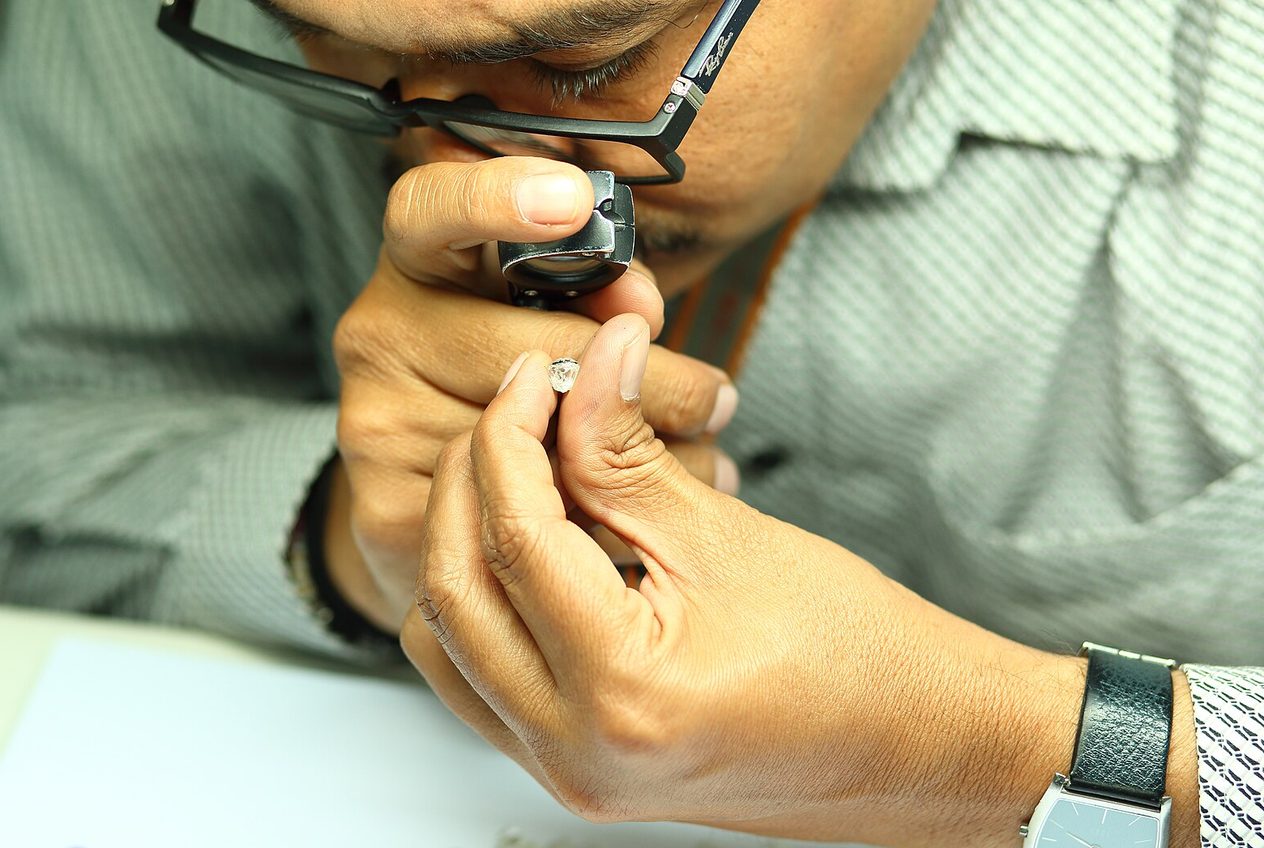
Photo: Delphinebraas, CC BY-SA 4.0, via Wikimedia Commons (cropped)
If you own a diamond, there is a very good chance it passed through Surat. The city in the Indian state of Gujarat is widely reported to process about 90 percent of the world's rough diamonds. Estimates vary from source to source and year to year, but the picture is consistent: Surat is the centre of diamond polishing.
Skill built over generations
Polishing a diamond takes planning, a steady hand and years of practice. Surat has a large workforce trained in each step, from planning the rough and sawing to bruting, blocking and brillianteering. Learn the steps in how diamonds are polished.
A complete trade in one place
Cutting and polishing is only one part of the chain. Surat also has the rough traders, laboratories, tool makers, brokers and exporters that make the trade work. Recent developments show the city's role growing: India's customs board has approved a new rough diamond zone at the Surat Diamond Bourse, and ICA-GemLab has announced a laboratory in Surat.
Mumbai and Surat together
Mumbai is India's centre for diamond trading and export, and Surat is the centre for manufacturing. Many manufacturers, including Jivani Diamonds, work across both cities, with polished diamonds sold to jewellers and wholesalers around the world.
What it means when you buy loose diamonds
Buying from a manufacturer that cuts and polishes its own stones in Surat and Mumbai means a short path from the cutting wheel to you. Jivani Diamonds is a loose diamond manufacturer supplying natural, certified round brilliant diamonds. For parcels and export, see our wholesale loose diamonds page or send an enquiry.