
Guide | By Jivani Diamonds |
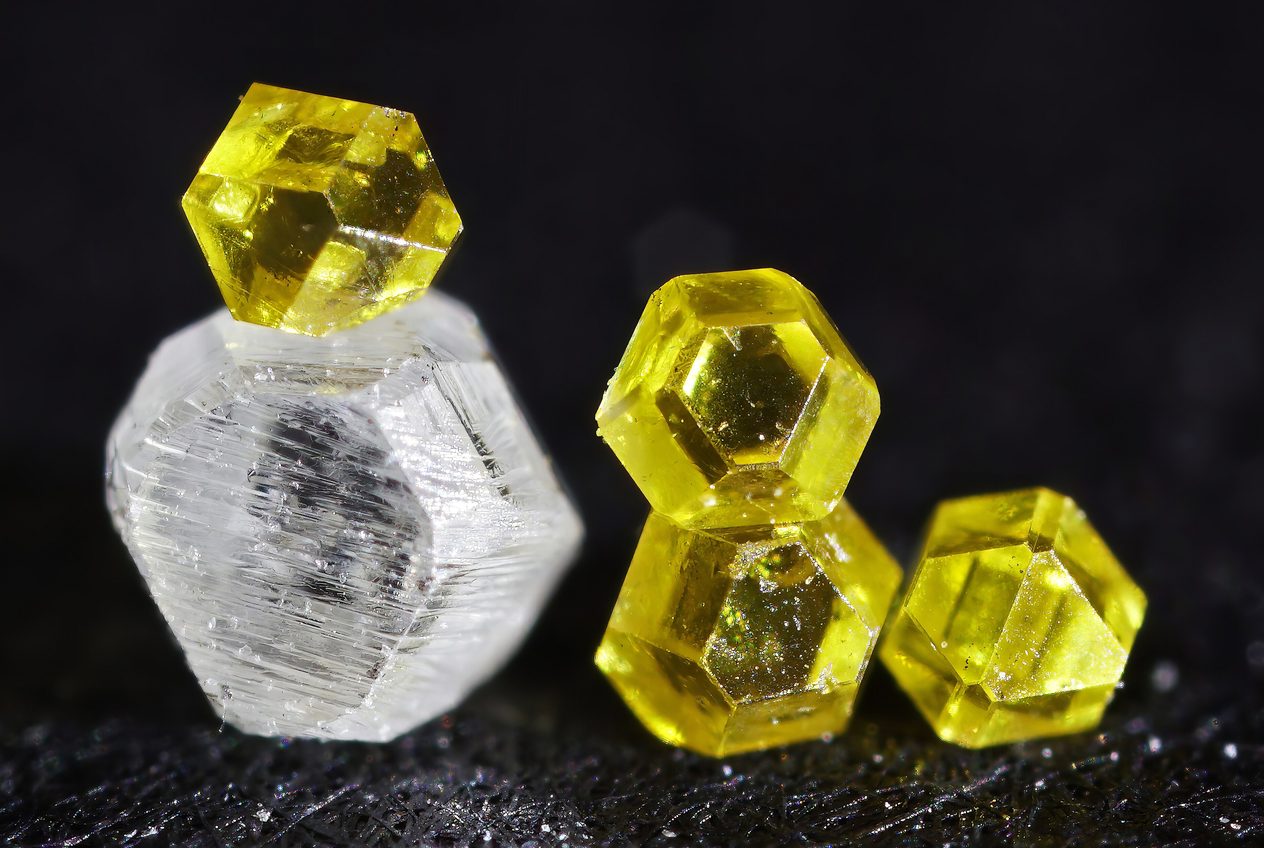
Photo: Bilovitskiy, CC BY 4.0, via Wikimedia Commons (cropped)
A natural diamond and a lab-grown diamond can look the same to the eye, which is why independent laboratory reports matter. The reports themselves have changed. Here is what GIA, one of the best known gem laboratories, now does, and what it means when you shop for loose diamonds.
What changed at GIA
Since 2020, GIA used the same colour and clarity grades for lab-grown diamonds as for natural ones. From 1 October 2025 it stopped. According to trade reports, GIA no longer applies the natural diamond grading system to lab-grown stones. It now sorts them into two descriptors, Premium and Standard, and stones that fall below the Standard minimums receive no quality assessment at all. GIA's chief executive said the laboratory would no longer use the nomenclature created for natural diamonds to describe a manufactured product.
The new descriptors
- Premium
- Clarity of VVS or higher, D colour, excellent polish and symmetry, and an excellent cut grade for round brilliants.
- Standard
- Clarity of VS, colour from E to J, very good polish and symmetry (good for fancy shapes), and a very good cut grade for round brilliants.
Each assessed stone is laser inscribed on the girdle with the words "Laboratory-Grown" and its GIA number, and it comes with a printed report. The minimum stone size for the service is 0.15 carat.
What this means for natural diamonds
The change applies only to lab-grown diamonds. A natural diamond is still graded on the full 4Cs: cut, colour, clarity and carat, with the colour scale running from D to Z. Natural diamonds formed over more than a billion years inside the Earth, a story told in our loose diamond journey, and each one is different. Compare the grades in our 4Cs guide.
How to be sure what you are buying
- Ask whether the diamond is natural or lab-grown. A reputable seller must say so.
- Check the report states the origin, and look for "Laboratory-Grown" on the report and the girdle inscription.
- Verify the report number on the laboratory's own website.
- Compare like with like. Premium and Standard are not the same scale as D to Z colour and clarity grades.
Jivani Diamonds supplies natural diamonds, reported by GIA and IGI. See our natural round brilliant diamonds or send an enquiry.